Some days the slip only brushes “health” at the edge—not daikichi, not kyo, just a short line that points at the body’s rhythm. I don’t read it as a verdict. I open it as a mirror of what I’ve been careless with lately.
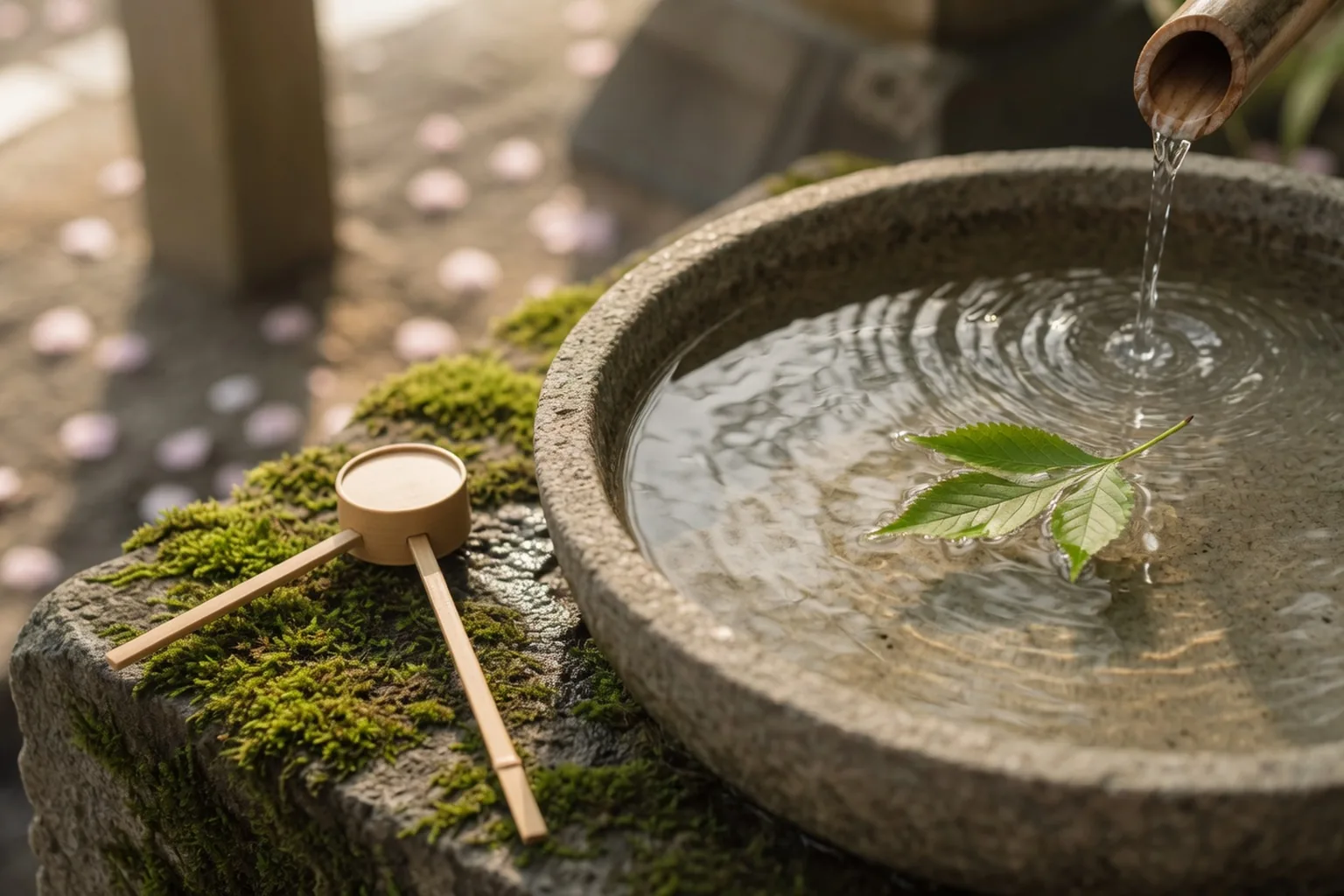
Last week I rushed the hishaku back at the temizuya and speed-walked to the station. Right after the offering I checked steps and notifications on the way home. If the health line felt thin that day, it wasn’t mysterious. The body quietly protests how hard we hurry.
Don’t treat a weak line as a diagnosis
When kyo or suekichi touches health, people jump to “illness ahead.” Fortune slips for leisure don’t carry that authority. What I usually see is cut sleep, messy meals, long hours in one posture at a screen. The paper is closer to a warp in today’s rhythm than a forecast.
Daikichi invites another mistake. On high-energy days we pack the night and suddenly walk too far on the weekend. Good luck is not invincibility. On bright days, going to bed fifteen minutes earlier often pays more.
Only one thing at night
After reading, I don’t overhaul my life. I choose one act for that night: water by the bed, lights one notch lower, or moving morning pills to a visible spot in the kitchen. Small, but the slip makes the action stick.
A common failure is three resolutions at once—earlier sleep, walks, less salt—then none remain. The slip is not a checklist. One focus makes a better luck notebook. On a cold night a hot pack; on dry-eye days, cut screen time by the clock—change the theme daily.
Even without a shrine, washing hands carefully at the sink can recall temizuya. It is not medicine. If symptoms linger, rest or a professional comes before paper. A short look at your own rhythm is the right distance.